
Blog
Design as a way of life

Design, when conceived as a way of life, transcends function and appearance. It becomes a silent philosophy, a language expressed through the forms, materials, and spaces we inhabit. In an era of accelerating pace, it reintroduces slowness, precision, and care.
It’s not simply a matter of taste or style. Design is, above all, a way of being, of connecting with our surroundings. It reflects our relationship to beauty, comfort, nature, and simplicity. A well-designed space influences our emotions: it soothes, inspires, stimulates creativity, or invites contemplation.
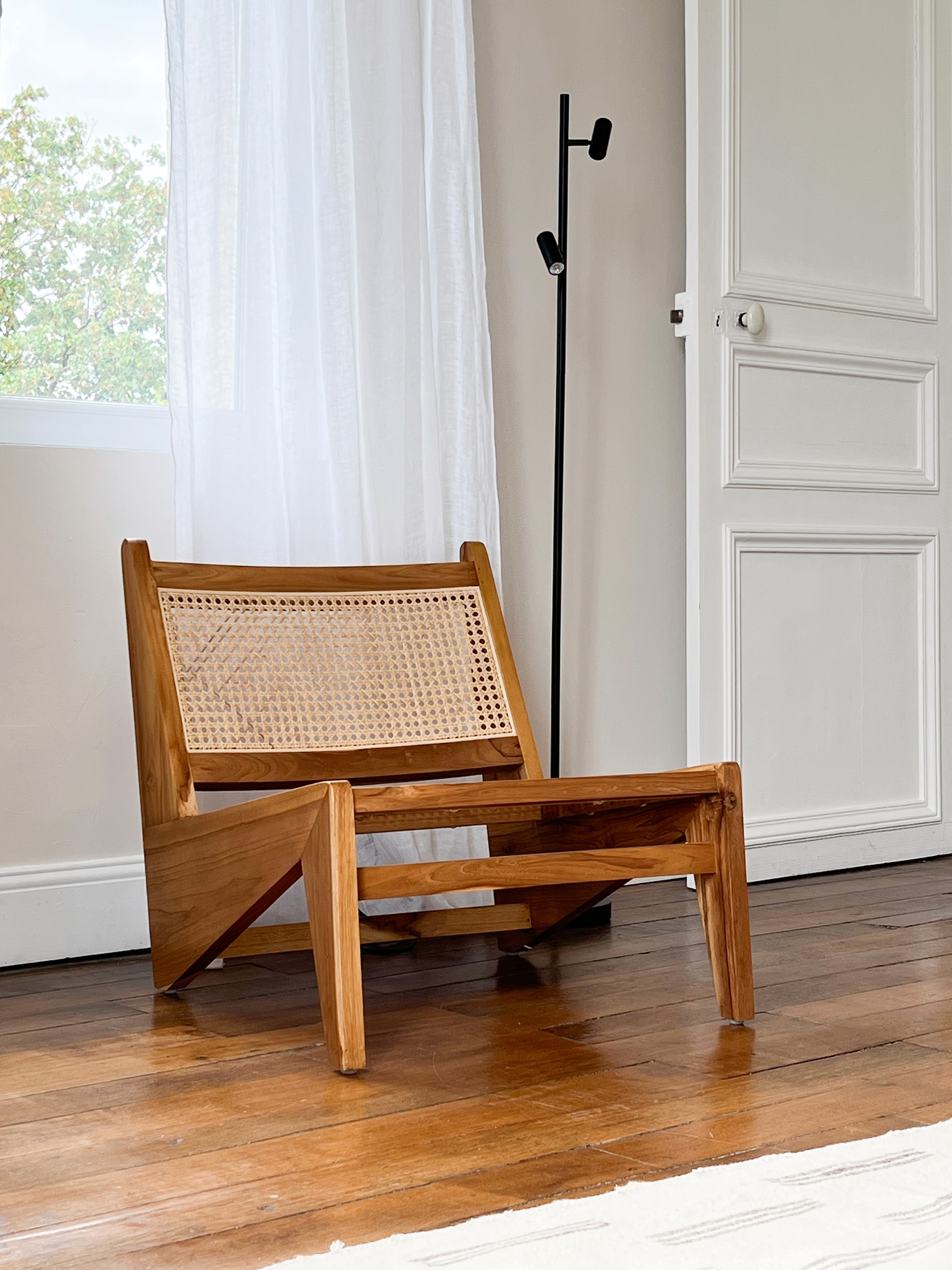
A thoughtfully designed object tells a story. Its existence is not accidental: it is the result of careful consideration of function, form, and meaning. An armchair is not merely a seat. It is an extension of the body, a space for rest, an invitation to slow down.
Aesthetics are not an end in themselves, but a consequence of intention. When each element finds its rightful place, a balance is established, almost naturally. This balance, invisible yet essential, is the heart of design.
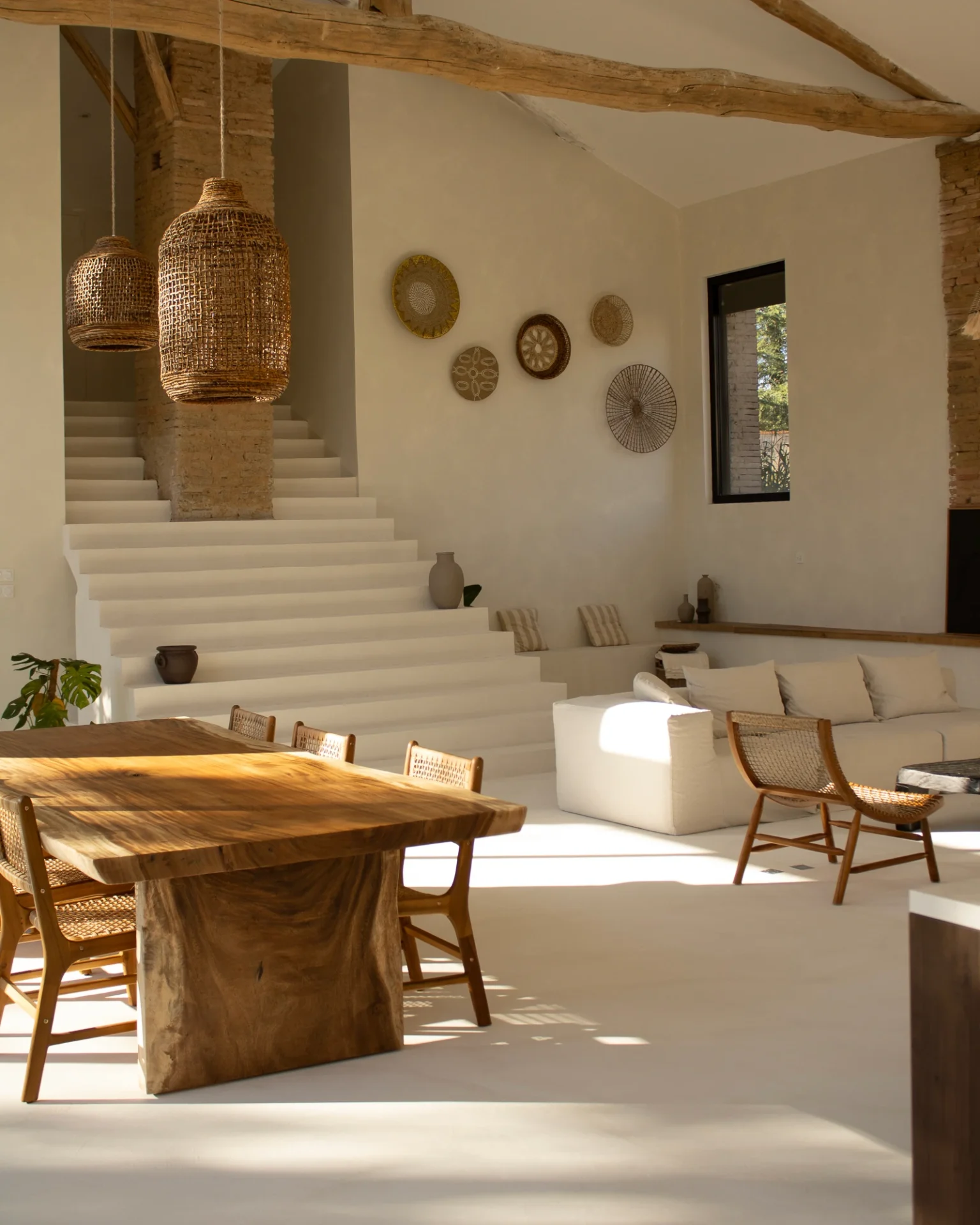
Design as an art of living involves paying attention to what isn’t always visible: the flow of light, the texture of the floor, the breath of a space, the silence between two objects. It’s a quest for coherence between interior and exterior, between the visible and the sensory.
A well-designed interior doesn’t seek to impress. It seeks to evoke feeling. To reveal what is most essential: comfort, serenity, continuity.
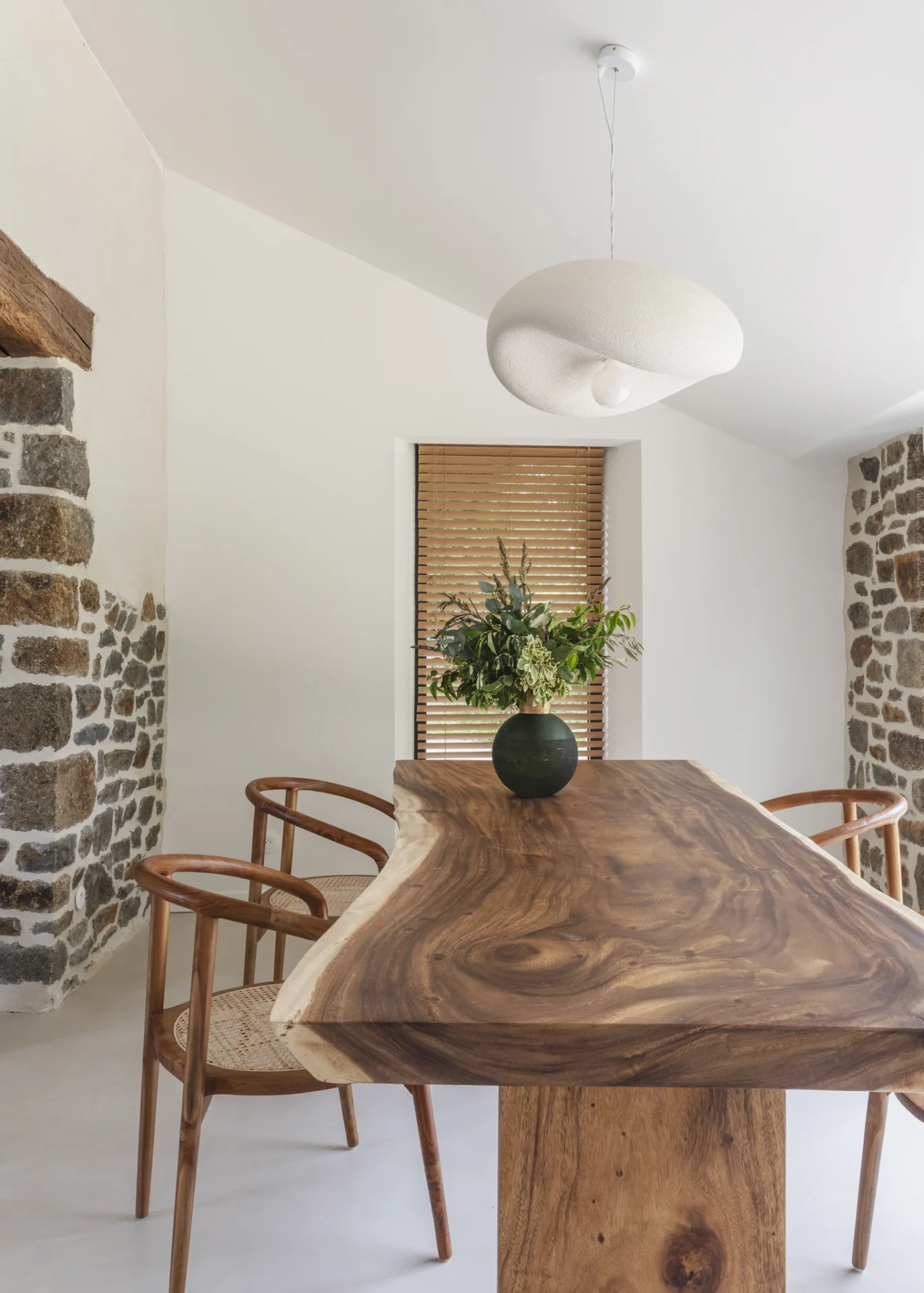
This approach to design moves away from instant gratification. It values durability, memory, and transmission. A piece of solid wood furniture develops a patina, ages, bears the marks of time, and becomes a witness to a story. Sustainable design is not a trend: it is a form of respect—for the material, for the craftsperson, for the person who will inhabit the object.
Each material has its own voice: wood speaks of warmth and strength, stone of stability, linen of lightness, metal of rigor. Design, in its purest form, is the art of making them converse without domination, in a discreet harmony.
There is also a spiritual dimension to design. Living in a thoughtfully designed space means rediscovering a natural rhythm. It means accepting that comfort lies not in abundance but in what is right. It means understanding that beauty is not measured by price, but by the feeling it evokes—that of being well, fully, simply.
In this vision, design becomes a state of mind. It is expressed in the way we arrange objects, in the way we allow spaces to breathe, in the way we live with the morning light or the calm of the evening.
A thoughtfully designed space possesses a quiet power. It influences our moods, supports our habits, and enhances our well-being. It reflects our values, our aspirations, and our relationship with the world.
Adopting design as a way of life is therefore much more than simply decorating: it’s about building a conscious relationship with one’s environment, making one’s space an inner mirror.
This approach also applies to everyday life: the mug we choose each morning, the texture of the fabric we sit on, the way light plays across a surface. Everything contributes to an invisible yet profoundly human language. Design connects us to our senses, our bodies, our memories. It makes tangible what we feel but can’t always name.
Design, in its essence, seeks to create meaning before creating style. In every object, there is reflection, an ethical choice, an intention.
This is what differentiates a simple product from a design piece: the former is meant to be consumed, the latter to last. Responsible design rejects overproduction and the ephemeral. It values quality craftsmanship, natural materials, local production, artisanal work, and restoration rather than replacement.
This awareness transforms our relationship with objects. We no longer “possess,” we “welcome.” We nurture, we pass on. Furniture becomes a companion, not an accessory. The lamp illuminates without dominating, the chair invites without constraining, the table gathers without cluttering.
Every element of daily life can thus become a source of balance. We simply need to pay attention, to recognize the value of detail.
But design isn’t limited to interiors. It’s also a way of conceiving life: more fluid, more conscious, simpler. In a world saturated with images, returning to materiality—to the grain of wood, the coolness of stone, the transparency of glass—becomes a form of self-discovery.
The beauty of design lies in its discretion, in its ability to blend into life without ever dominating it. The best designs are often those that aren’t immediately noticed, but whose presence is undeniable.
Design as a way of life is also the art of choice. Knowing how to say no to excess, to over-the-top excess, to the latest trend. It’s about preferring less but better, less but more.
This choice, often intuitive, reveals an aesthetic maturity: the understanding that beauty lies in coherence, not in quantity.
Creating a space is about orchestrating emotions. And this orchestration cannot exist without silence. Emptiness is part of design. It allows the gaze to rest, light to circulate, and the mind to breathe.
An interior designed with this philosophy is not static. It lives, it evolves, it adapts. It grows with those who inhabit it.
Objects change places, materials transform, habits adjust—but the spirit remains the same: that of a place where everything has its purpose.
In this logic, design becomes a form of constant balance between functionality and emotion, between aesthetics and use.
The line between design and art is blurring. They inspire each other. Art awakens the senses, design grounds them in everyday life. Together, they create environments that are both sensitive and livable, beautiful and harmonious.
The art of living through design is this: creating spaces that breathe, that tell stories, that invite. Places where beauty doesn’t impose itself but takes root, where restraint becomes richness, where simplicity becomes luxury.
Ultimately, design isn’t a discipline reserved for initiates. It’s an experience accessible to everyone, provided they listen, feel, and understand what brings them peace.
It’s not about following a trend, but about finding one’s own balance.
Design isn’t an end in itself: it’s a journey, an exploration of what it means to “live well.”
And it’s in this silent voyage, between light and matter, that design reveals its most beautiful definition: that of an art of living.